When it comes to managing ADHD, the most powerful tool isn’t medication or therapy alone—it’s the ability to choose the path that feels right for you. The phrase “adhd the right to choose” encapsulates a growing movement toward personalized care, where patients and families dictate the mix of treatments, lifestyle tweaks, and support systems that work best in real life.
What Are the Core Choices Every ADHD Care Plan Offers?
Most clinicians present a standard menu: stimulants, non‑stimulants, behavioral therapy, coaching, or a combination. Yet the decision to take any of these options hinges on individual priorities—side‑effect tolerance, cost, daily routine, and long‑term goals. By framing ADHD care as a series of informed choices, you shift from passive compliance to active partnership with your provider.
Which Lifestyle Tweaks Can Complement or Replace Medication?
Studies show that structured routines, consistent sleep, and targeted nutrition can noticeably reduce hyperactivity and improve focus. For example, a 6‑hour nightly sleep window coupled with a low‑glycemic breakfast often rivals the cognitive benefits of a low‑dose stimulant. Tracking energy peaks during the day and aligning tasks accordingly is another simple yet effective strategy. These adjustments let you test what works without immediately turning to pharmaceuticals.
How to Evaluate the Risks and Benefits of Different Medications
When a prescriber recommends a medication, ask: “What side‑effects are most likely?” and “How will this affect my work or school schedule?” Stimulants like methylphenidate typically deliver rapid symptom relief but may cause insomnia or appetite loss. Non‑stimulants such as atomoxetine offer steadier action with fewer sleep disruptions but may take longer to show benefits. Having a side‑effect chart on hand turns an abstract risk into a tangible decision matrix.
Why a Support Network Is Essential for the “Right to Choose”?
Peer groups, family coaching, and school accommodations create safety nets that enable you to experiment with different strategies. A support group can reveal that a specific CBT technique helped another member maintain focus during exams, prompting you to try a similar approach. Similarly, a school liaison can negotiate a flexible deadline policy—an option that might reduce the pressure to rely solely on medication.
What Role Does Technology Play in Empowering Choices?
Apps that track mood, attention, and medication adherence provide real‑time feedback. By visualizing patterns—say, a dip in concentration before lunch—users can proactively adjust caffeine intake or schedule breaks. This data transforms guesswork into actionable insights, allowing you to choose when to supplement medication with environmental tweaks.
How to Build a “Trial and Learn” Plan with Your Provider
Propose a 4‑week trial period for each treatment component. Set clear metrics: number of on‑task minutes per session, sleep duration, or quality of life scores. After the trial, review outcomes together and decide whether to continue, modify, or abandon that approach. This iterative process respects your autonomy while maintaining clinical oversight.
Image: Understanding ADHD Factors
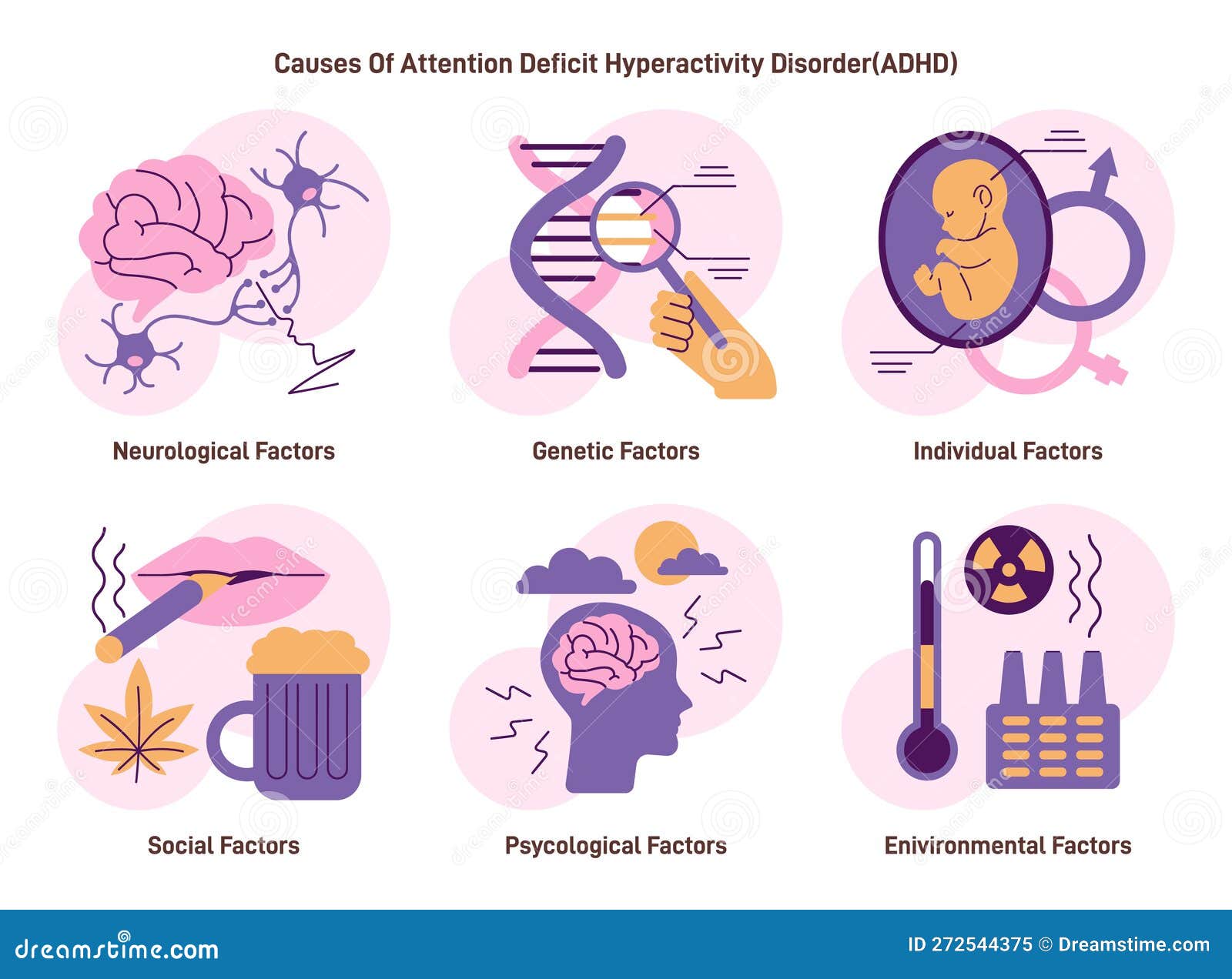
The infographic above illustrates the multifaceted origins of ADHD. Recognizing that genetics, brain structure, and daily environment all contribute helps explain why a one‑size‑fits‑all treatment often falls short. Armed with this knowledge, you can choose interventions that target the specific drivers most relevant to your situation.
When to Seek Professional Reassessment
If you’ve cycled through several treatments without meaningful improvement, it may be time for a comprehensive reassessment. A new diagnostic interview can uncover comorbid conditions such as anxiety or dyslexia that require distinct therapeutic angles. This step ensures that your “right to choose” is based on the most accurate understanding of your needs.
Embracing the right to choose transforms ADHD management from a rigid prescription into a dynamic, patient‑centered journey. By systematically evaluating options, leveraging lifestyle changes, engaging supportive networks, and using technology, you can craft a care plan that reflects your unique priorities and yields lasting improvement.
When it comes to managing ADHD, the most powerful tool isn’t medication or therapy alone—it’s the ability to choose the path that feels right for you. The phrase “adhd the right to choose” encapsulates a growing movement toward personalized care, where patients and families dictate the mix of treatments, lifestyle tweaks, and support systems that work best in real life.
What Are the Core Choices Every ADHD Care Plan Offers?
Most clinicians present a standard menu: stimulants, non‑stimulants, behavioral therapy, coaching, or a combination. Yet the decision to take any of these options hinges on individual priorities—side‑effect tolerance, cost, daily routine, and long‑term goals. By framing ADHD care as a series of informed choices, you shift from passive compliance to active partnership with your provider.
Which Lifestyle Tweaks Can Complement or Replace Medication?
Studies show that structured routines, consistent sleep, and targeted nutrition can noticeably reduce hyperactivity and improve focus. For example, a 6‑hour nightly sleep window coupled with a low‑glycemic breakfast often rivals the cognitive benefits of a low‑dose stimulant. Tracking energy peaks during the day and aligning tasks accordingly is another simple yet effective strategy. These adjustments let you test what works without immediately turning to pharmaceuticals.
How to Evaluate the Risks and Benefits of Different Medications
When a prescriber recommends a medication, ask: “What side‑effects are most likely?” and “How will this affect my work or school schedule?” Stimulants like methylphenidate typically deliver rapid symptom relief but may cause insomnia or appetite loss. Non‑stimulants such as atomoxetine offer steadier action with fewer sleep disruptions but may take longer to show benefits. Having a side‑effect chart on hand turns an abstract risk into a tangible decision matrix.
Why a Support Network Is Essential for the “Right to Choose”?
Peer groups, family coaching, and school accommodations create safety nets that enable you to experiment with different strategies. A support group can reveal that a specific CBT technique helped another member maintain focus during exams, prompting you to try a similar approach. Similarly, a school liaison can negotiate a flexible deadline policy—an option that might reduce the pressure to rely solely on medication.
What Role Does Technology Play in Empowering Choices?
Apps that track mood, attention, and medication adherence provide real‑time feedback. By visualizing patterns—say, a dip in concentration before lunch—users can proactively adjust caffeine intake or schedule breaks. This data transforms guesswork into actionable insights, allowing you to choose when to supplement medication with environmental tweaks.
How to Build a “Trial and Learn” Plan with Your Provider
Propose a 4‑week trial period for each treatment component. Set clear metrics: number of on‑task minutes per session, sleep duration, or quality of life scores. After the trial, review outcomes together and decide whether to continue, modify, or abandon that approach. This iterative process respects your autonomy while maintaining clinical oversight.
Image: Understanding ADHD Factors
The infographic above illustrates the multifaceted origins of ADHD. Recognizing that genetics, brain structure, and daily environment all contribute helps explain why a one‑size‑fits‑all treatment often falls short. Armed with this knowledge, you can choose interventions that target the specific drivers most relevant to your situation.
When to Seek Professional Reassessment
If you’ve cycled through several treatments without meaningful improvement, it may be time for a comprehensive reassessment. A new diagnostic interview can uncover comorbid conditions such as anxiety or dyslexia that require distinct therapeutic angles. This step ensures that your “right to choose” is based on the most accurate understanding of your needs.
Embracing the right to choose transforms ADHD management from a rigid prescription into a dynamic, patient‑centered journey. By systematically evaluating options, leveraging lifestyle changes, engaging supportive networks, and using technology, you can craft a care plan that reflects your unique priorities and yields lasting improvement.
Adhd To Do List Template - Free Word Template
Adhd To Do List Template - Free Word Template
ADHD (attention Deficit Hyperactivity Disorder): Symptoms, Causes
:max_bytes(150000):strip_icc()/adhd-attention-deficit-hyperactivity-disorder-included-definition-symptoms-traits-causes-treatment-5084784_final-bc92546bc9df465ea7f13fc423c2085b.jpg)
ADHD (attention deficit hyperactivity disorder): Symptoms, Causes ...
Attention-Deficit/Hyperactivity Disorder (ADHD)
Attention-Deficit/Hyperactivity Disorder (ADHD)
Attention Deficit Hyperactivity Disorder Adhd Symptoms Adhd
Attention Deficit Hyperactivity Disorder Adhd Symptoms Adhd ...