Finding the right support for ADHD can feel like navigating a maze. ADHD coaching sessions in the UK offer a tailored, skill‑building approach that can help you manage daily challenges, set achievable goals, and build lasting confidence. If you’re new to coaching, this guide breaks down the key questions, benefits, and practical steps to help you decide whether coaching is the right fit.
What Makes ADHD Coaching Different from Therapy?
ADHD coaching focuses on present‑day actions and future planning, using a strengths‑based framework. Unlike therapy, which often delves into emotional roots, coaching hones in on concrete tools—time‑management techniques, organisational hacks, and accountability systems. Coaches collaborate with you to design a roadmap that turns aspirations into actionable milestones.
How to Spot a Qualified ADHD Coach in the UK
- Certified through a recognised body such as the International Coach Federation (ICF) or the UK Coaching Academy.
- Specialised training in ADHD—look for “ADHD Coaching Specialist” badges or courses.
- Transparent fee structure and session packages (e.g., 10‑session blocks, monthly retainer).
- Client testimonials that mention measurable improvements in focus, punctuality, or job performance.
When browsing listings, request a free introductory call to gauge the coach’s style and how they adapt to your learning preferences.
Typical Structure of an ADHD Coaching Session
Sessions are usually 60 minutes, held weekly or bi‑weekly. A typical agenda includes:
- Review of progress since the last meeting.
- Discussion of recent obstacles (e.g., procrastination, email overload).
- Skill‑building exercise (e.g., the “Pomodoro” technique, digital planners).
- Goal setting for the next period.
- Action plan recap and accountability check‑in.
Some coaches integrate brief mindfulness practices or a quick “brain dump” to clear mental clutter before diving into strategy.
Real‑World Benefits You Can Expect
- Improved Time Management – Learn how to chunk tasks and use timers to stay on track.
- Enhanced Executive Function – Build routines that reduce decision fatigue.
- Better Work‑Life Balance – Set boundaries that protect personal time while meeting professional deadlines.
- Boosted Self‑Efficacy – Celebrate small wins, reinforcing a growth mindset.
Many clients report a noticeable drop in missed appointments and a clearer sense of direction at work or study.
When Coaching Might Not Be Enough
If you experience severe symptoms such as impulsive self‑harm, significant anxiety, or cognitive impairments, a medical professional should be consulted first. Coaching is most effective when combined with a comprehensive medical plan—medication, therapy, or both—tailored by a GP or psychiatrist.
Choosing the Right Coaching Package
Coaching packages vary widely. Here are common options:
- Starter Pack (4–6 sessions) – Ideal for a quick assessment and foundational strategies.
- Growth Path (10–12 sessions) – Includes deeper skill work and ongoing support.
- Long‑Term Partnership (monthly) – Best for those needing sustained guidance or navigating career transitions.
Ask about trial offers or sliding‑scale fees for students and low‑income clients. Some coaches offer “pay‑what‑you‑can” models, especially within community organisations.
How to Measure Coaching Success
Set clear, measurable objectives at the outset. Examples:
- Reduce daily procrastination episodes from five to two per day.
- Achieve 90 % on-task completion for a project deadline.
- Maintain a 30‑day streak of timely medication intake.
Regularly review these metrics with your coach; adjust tactics if progress stalls.
Getting Started: Your First Steps
1. Self‑Assessment – Complete an ADHD self‑screening questionnaire (many are free online). 2. Research – Compile a shortlist of UK coaches with ADHD credentials. 3. Initial Call – Schedule a 15‑minute chat to discuss your goals and verify the coach’s approach. 4. Commit – Choose a package that aligns with your budget and schedule.
Remember, coaching is an investment in your future. A supportive coach can transform everyday hurdles into stepping stones.
Visual Insight: Common ADHD Symptoms

The infographic above highlights the typical symptoms—difficulty concentrating, impulsivity, and disorganisation—that coaching sessions aim to mitigate. By recognising these patterns early, you can target the most disruptive challenges first.
Visual Insight: Factors That Shape ADHD
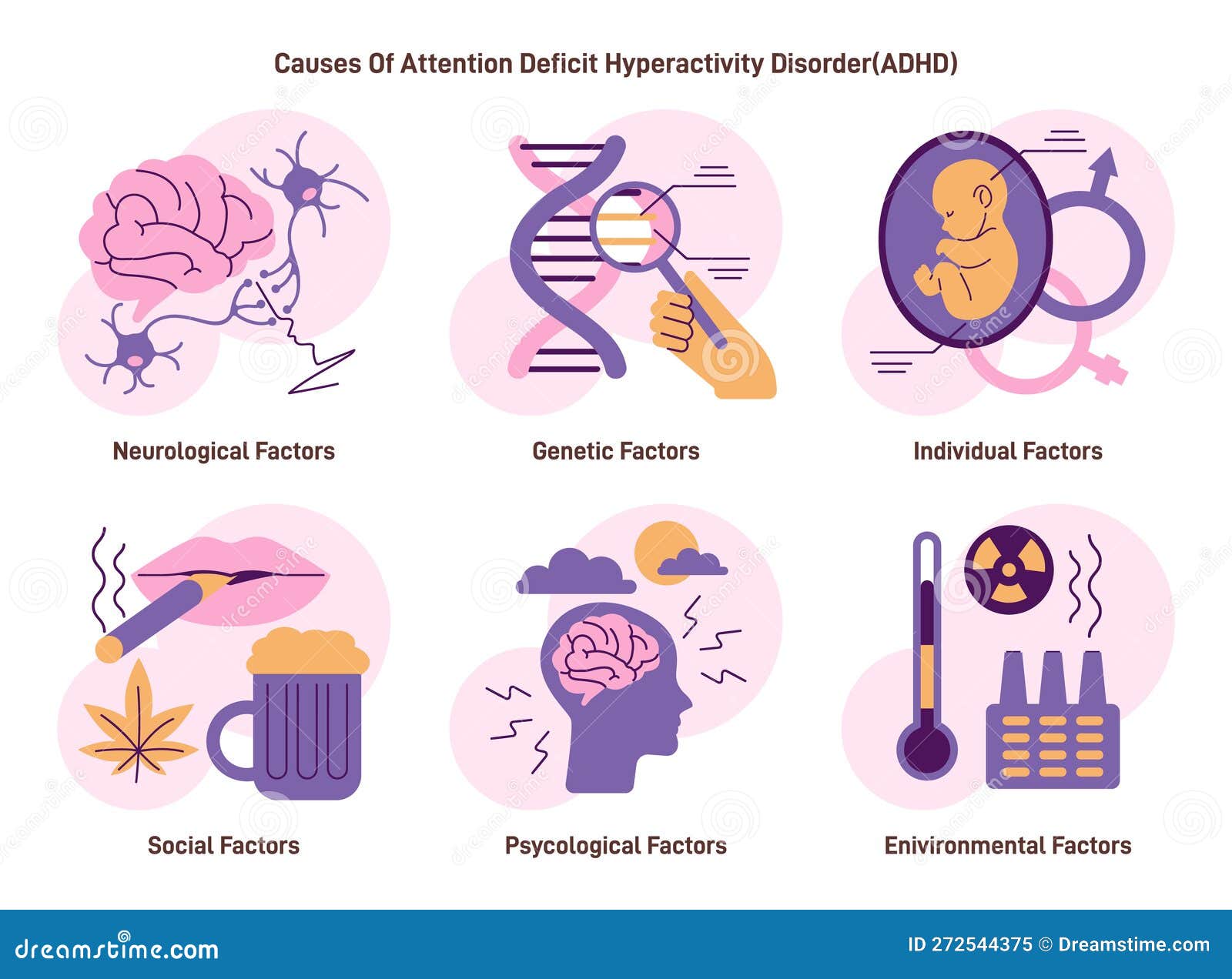
This diagram illustrates the multi‑factorial nature of ADHD, underscoring why a personalised coaching plan—rather than a one‑size‑fits‑all approach—yields better outcomes. Understanding the root causes can also inform the choice of complementary therapies.
Finding the right support for ADHD can feel like navigating a maze. ADHD coaching sessions in the UK offer a tailored, skill‑building approach that can help you manage daily challenges, set achievable goals, and build lasting confidence. If you’re new to coaching, this guide breaks down the key questions, benefits, and practical steps to help you decide whether coaching is the right fit.
What Makes ADHD Coaching Different from Therapy?
ADHD coaching focuses on present‑day actions and future planning, using a strengths‑based framework. Unlike therapy, which often delves into emotional roots, coaching hones in on concrete tools—time‑management techniques, organisational hacks, and accountability systems. Coaches collaborate with you to design a roadmap that turns aspirations into actionable milestones.
How to Spot a Qualified ADHD Coach in the UK
- Certified through a recognised body such as the International Coach Federation (ICF) or the UK Coaching Academy.
- Specialised training in ADHD—look for “ADHD Coaching Specialist” badges or courses.
- Transparent fee structure and session packages (e.g., 10‑session blocks, monthly retainer).
- Client testimonials that mention measurable improvements in focus, punctuality, or job performance.
When browsing listings, request a free introductory call to gauge the coach’s style and how they adapt to your learning preferences.
Typical Structure of an ADHD Coaching Session
Sessions are usually 60 minutes, held weekly or bi‑weekly. A typical agenda includes:
- Review of progress since the last meeting.
- Discussion of recent obstacles (e.g., procrastination, email overload).
- Skill‑building exercise (e.g., the “Pomodoro” technique, digital planners).
- Goal setting for the next period.
- Action plan recap and accountability check‑in.
Some coaches integrate brief mindfulness practices or a quick “brain dump” to clear mental clutter before diving into strategy.
Real‑World Benefits You Can Expect
- Improved Time Management – Learn how to chunk tasks and use timers to stay on track.
- Enhanced Executive Function – Build routines that reduce decision fatigue.
- Better Work‑Life Balance – Set boundaries that protect personal time while meeting professional deadlines.
- Boosted Self‑Efficacy – Celebrate small wins, reinforcing a growth mindset.
Many clients report a noticeable drop in missed appointments and a clearer sense of direction at work or study.
When Coaching Might Not Be Enough
If you experience severe symptoms such as impulsive self‑harm, significant anxiety, or cognitive impairments, a medical professional should be consulted first. Coaching is most effective when combined with a comprehensive medical plan—medication, therapy, or both—tailored by a GP or psychiatrist.
Choosing the Right Coaching Package
Coaching packages vary widely. Here are common options:
- Starter Pack (4–6 sessions) – Ideal for a quick assessment and foundational strategies.
- Growth Path (10–12 sessions) – Includes deeper skill work and ongoing support.
- Long‑Term Partnership (monthly) – Best for those needing sustained guidance or navigating career transitions.
Ask about trial offers or sliding‑scale fees for students and low‑income clients. Some coaches offer “pay‑what‑you‑can” models, especially within community organisations.
How to Measure Coaching Success
Set clear, measurable objectives at the outset. Examples:
- Reduce daily procrastination episodes from five to two per day.
- Achieve 90 % on-task completion for a project deadline.
- Maintain a 30‑day streak of timely medication intake.
Regularly review these metrics with your coach; adjust tactics if progress stalls.
Getting Started: Your First Steps
1. Self‑Assessment – Complete an ADHD self‑screening questionnaire (many are free online). 2. Research – Compile a shortlist of UK coaches with ADHD credentials. 3. Initial Call – Schedule a 15‑minute chat to discuss your goals and verify the coach’s approach. 4. Commit – Choose a package that aligns with your budget and schedule.
Remember, coaching is an investment in your future. A supportive coach can transform everyday hurdles into stepping stones.
Visual Insight: Common ADHD Symptoms
The infographic above highlights the typical symptoms—difficulty concentrating, impulsivity, and disorganisation—that coaching sessions aim to mitigate. By recognising these patterns early, you can target the most disruptive challenges first.
Visual Insight: Factors That Shape ADHD
This diagram illustrates the multi‑factorial nature of ADHD, underscoring why a personalised coaching plan—rather than a one‑size‑fits‑all approach—yields better outcomes. Understanding the root causes can also inform the choice of complementary therapies.
Attention Deficit Hyperactivity Disorder Adhd Symptoms Adhd
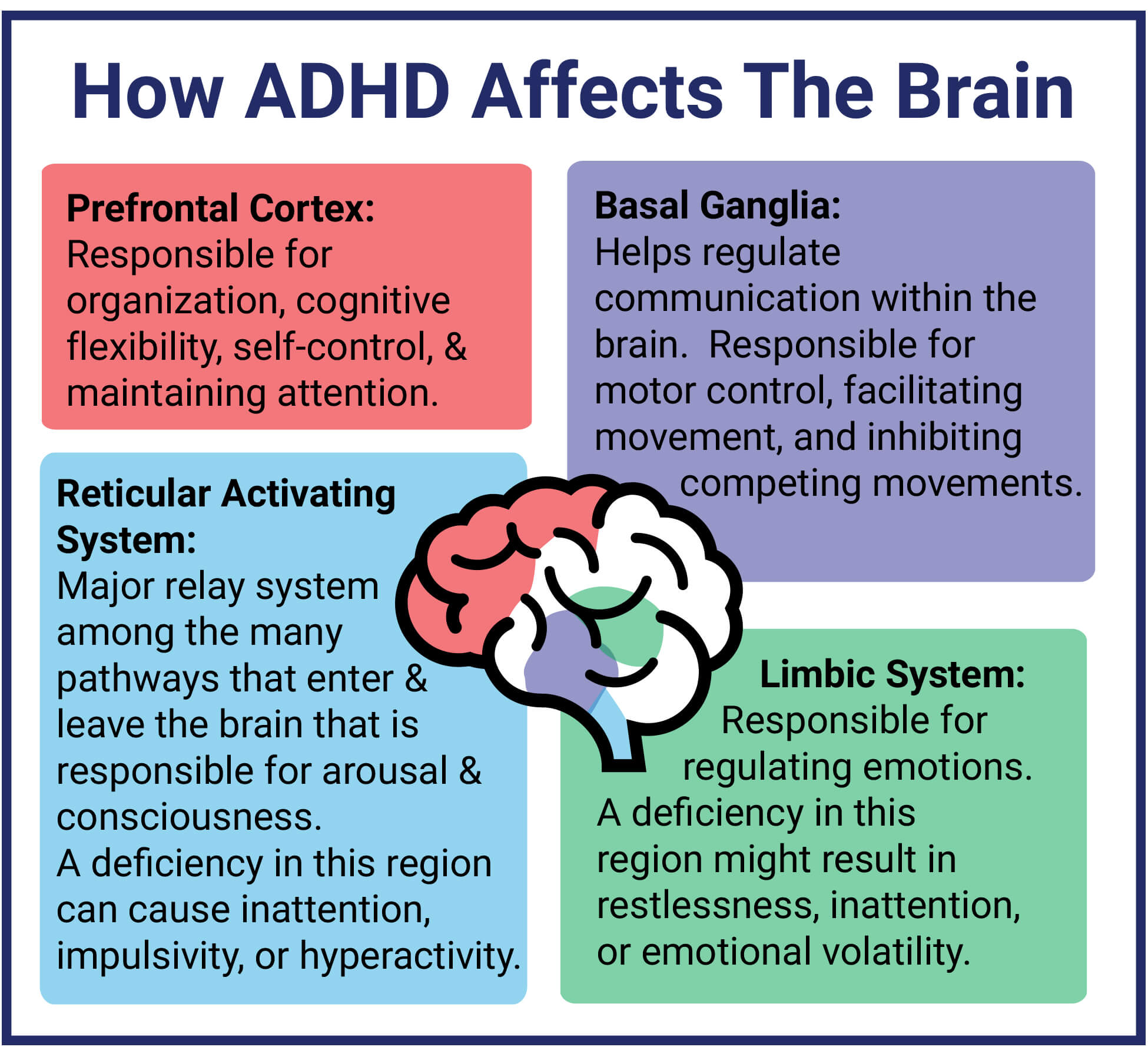
Attention Deficit Hyperactivity Disorder Adhd Symptoms Adhd ...
Attention-Deficit/Hyperactivity Disorder (ADHD)
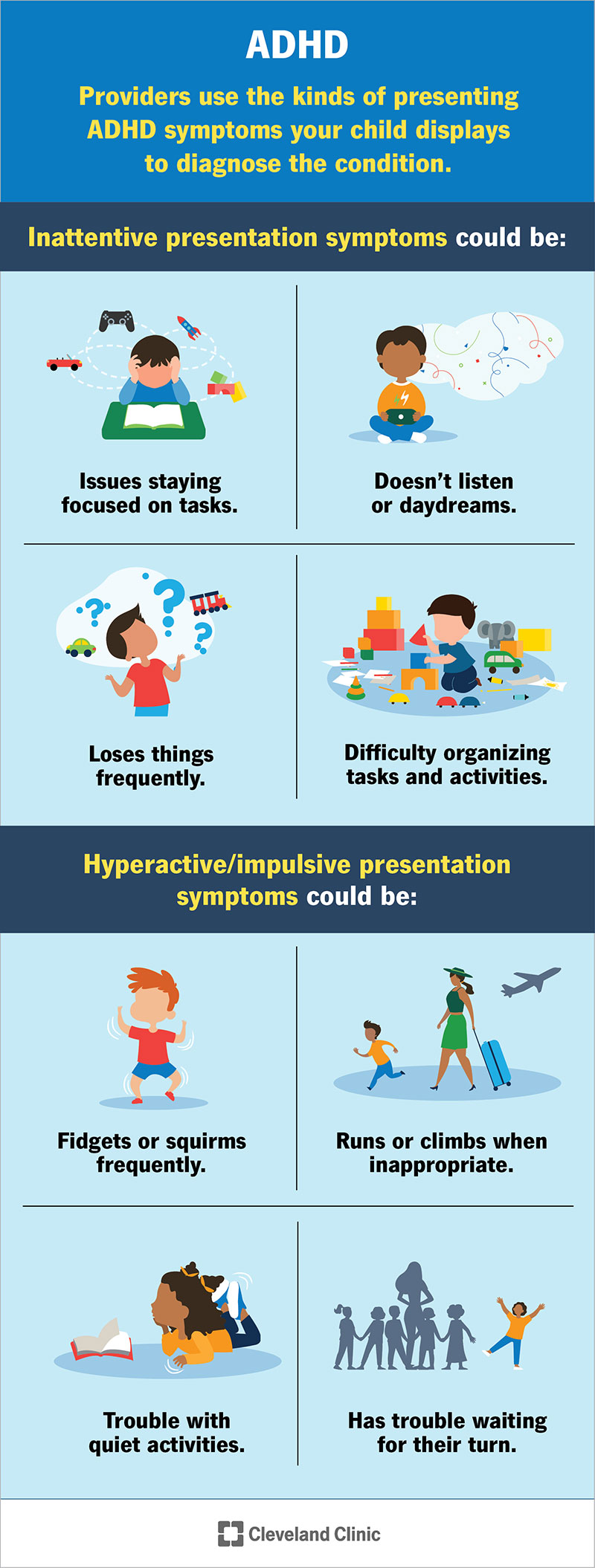
Attention-Deficit/Hyperactivity Disorder (ADHD)
ADHD (attention Deficit Hyperactivity Disorder): Symptoms, Causes
:max_bytes(150000):strip_icc()/adhd-attention-deficit-hyperactivity-disorder-included-definition-symptoms-traits-causes-treatment-5084784_final-bc92546bc9df465ea7f13fc423c2085b.jpg)
ADHD (attention deficit hyperactivity disorder): Symptoms, Causes ...
Adhd To Do List Template - Free Word Template
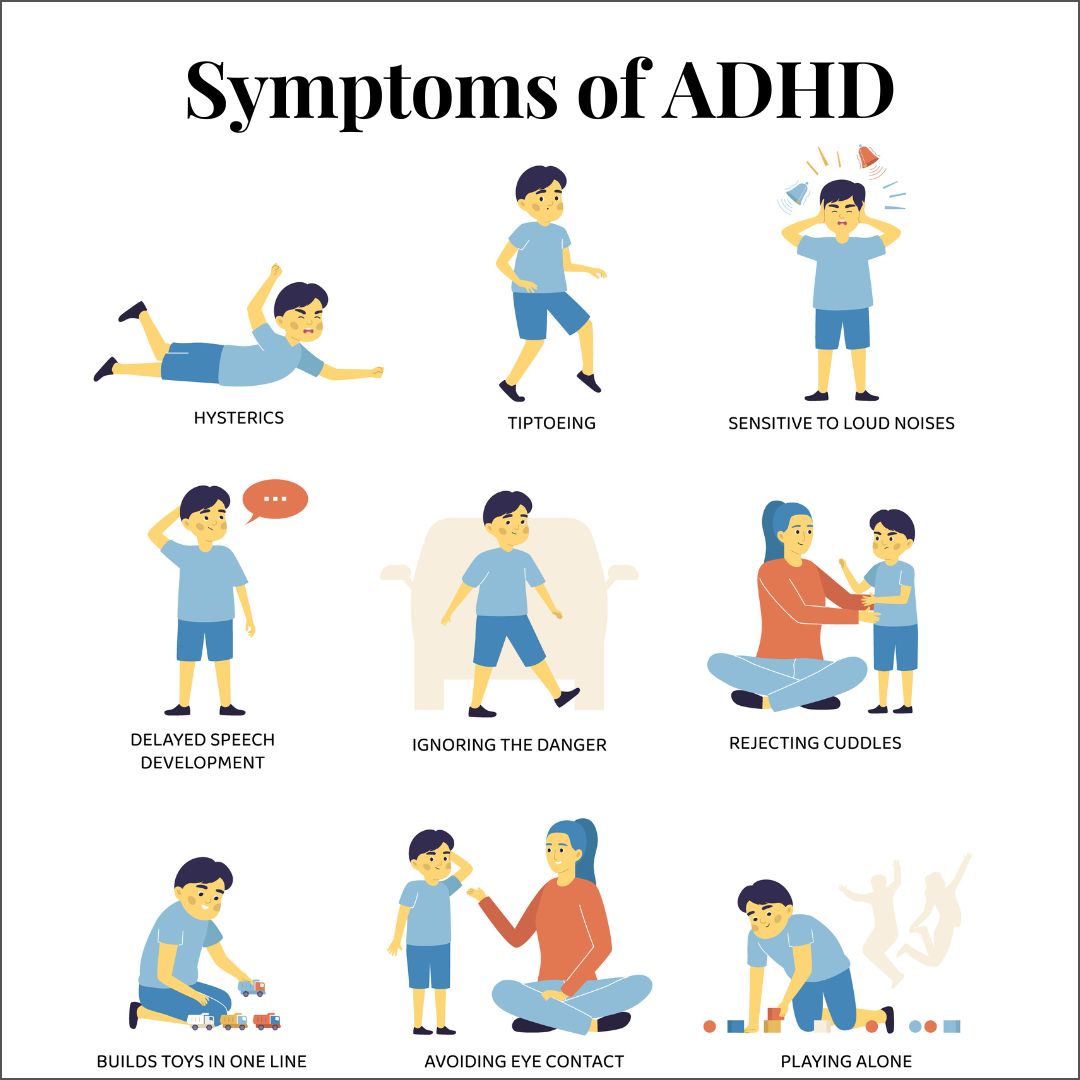
Adhd To Do List Template - Free Word Template